

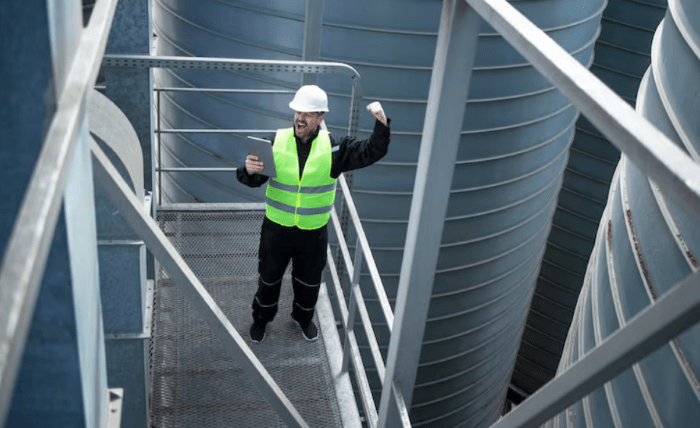
Airports are complex hubs of transportation, handling thousands of passengers and aircraft operations every day. Among the many critical infrastructures that keep an airport functioning safely and efficiently, aboveground storage tanks are indispensable. These tanks are primarily used for storing aviation fuel, including jet fuel and aviation gasoline, which are essential for daily airport operations. Maintaining these tanks is not merely a matter of routine upkeep; it is a critical aspect of ensuring safety, operational reliability, environmental protection, and regulatory compliance.
Importance of Aboveground Storage Tanks at Airports
Aboveground storage tanks at airports operate under rigorous and continuous demands. They are responsible for storing large volumes of aviation fuel, which must be delivered reliably to support the complex schedule of aircraft departures and arrivals. Unlike storage tanks in other industries, airport tanks are critical to the day-to-day functioning of the entire airport. Any interruption in fuel supply can have cascading effects, from delaying flights to disrupting airline operations and passenger schedules. Because these tanks are in constant use, they are exposed to stress on both their structural components and mechanical systems, making consistent maintenance essential.
Even minor failures in an aboveground storage tank can lead to serious consequences. A small leak, if left unaddressed, could escalate into a major spill, posing environmental hazards and creating fire risks in sensitive airport areas. Structural weaknesses, corrosion, or compromised valves can result in fuel loss or contamination, which not only endangers human safety but also threatens the operational reliability of aircraft fueling systems. Environmental contamination incidents can also result in hefty fines and remediation costs, further emphasizing the importance of proactive care. Maintaining these tanks through regular inspections, preventive measures, and timely repairs is therefore critical to ensure the safe and efficient operation of airport fueling systems.
Properly implemented maintenance programs do more than prevent immediate failures; they preserve the long-term integrity of the tanks. By addressing wear, corrosion, and minor mechanical issues before they escalate, these programs extend the service life of the tank and reduce costly unplanned downtime. Well-maintained tanks provide airport operators with confidence that their fueling infrastructure is reliable, safe, and compliant with environmental and aviation regulations. In an industry where every minute counts, investing in systematic maintenance is essential to supporting smooth operations, protecting the environment, and safeguarding personnel.
Regulatory and Safety Considerations
Maintenance of aboveground storage tanks at airports is governed by multiple regulations and industry standards. Aviation authorities provide guidance on aviation fuel storage safety, emphasizing fire prevention, spill containment, and emergency response. Environmental agencies require adherence to spill prevention rules and proper documentation of maintenance activities. Fire safety standards specify proper venting, grounding, and routine inspections to prevent hazards. Compliance with these regulations is essential to avoid legal penalties and ensure the safety of airport operations.
Common Maintenance Challenges for Airport Tanks
Airports present a distinct set of challenges when it comes to maintaining aboveground storage tanks. Unlike tanks in other settings, those at airports are subject to constant use and high operational demands, which can accelerate wear and tear. Corrosion is one of the most persistent problems, arising from prolonged exposure to aviation fuel, water, and environmental conditions such as rain, humidity, and fluctuating temperatures. Over time, even small areas of corrosion can weaken the tank’s structure, leading to leaks or failures that compromise both safety and operational reliability. Regular inspections and protective measures are essential to identify and mitigate corrosion before it progresses into a more serious issue.
Mechanical damage is another significant concern at airports. Fuel trucks, maintenance vehicles, and other equipment operate in close proximity to tanks, increasing the risk of accidental impacts or strain on fittings, valves, and access points. Sediment accumulation and microbial growth within the tank can further degrade fuel quality and harm the tank’s internal surfaces. Even seemingly minor issues, such as a worn gasket or a small leak, can escalate if left unaddressed, potentially leading to fuel contamination, environmental hazards, and costly downtime. Understanding these challenges is a crucial first step in developing an effective maintenance program, as it allows airport operators to implement targeted inspections, preventive repairs, and monitoring strategies that safeguard both the tanks and the overall fueling infrastructure.
Routine Inspections
Inspections form the foundation of any maintenance program. Daily inspections focus on visible leaks, surface corrosion, and the condition of valves, fittings, and containment systems. Monthly inspections delve deeper, evaluating structural components and access points for wear or deterioration. Annual inspections are comprehensive, including internal examinations, corrosion testing, and verification of protective coatings. These inspections help detect structural issues that may not be visible and ensure the tanks remain compliant with safety and operational standards.
Preventive Maintenance Strategies
Preventive maintenance is essential for prolonging the life of aboveground storage tanks and minimizing the risk of operational failures. Protective coatings on both the interior and exterior surfaces of the tank are regularly maintained or reapplied to slow the effects of corrosion caused by fuel, moisture, and environmental exposure. Systems specifically designed to prevent corrosion, such as sacrificial anodes or cathodic protection devices, are carefully inspected and adjusted to ensure they continue to function effectively. Mechanical components, including valves, gaskets, and fittings, are replaced on a scheduled basis before signs of wear or deterioration appear, significantly reducing the likelihood of leaks or malfunctions. In addition, the interior of the tank is routinely cleaned to remove accumulated water, sediment, and microbial growth, which not only preserves the structural integrity of the tank but also maintains the quality and purity of the stored fuel, ensuring safe and reliable operations.
Addressing Minor Repairs
Minor repairs are often overlooked in the day-to-day operations of airport fuel storage, but they play a critical role in maintaining the long-term health of aboveground storage tanks. Small leaks, even those that seem insignificant at first, can quickly worsen over time, leading to larger spills, fuel loss, and potential environmental contamination. Similarly, damaged gaskets or malfunctioning valves can compromise the integrity of the tank, allowing fuel to escape or moisture to enter, which can accelerate corrosion and reduce the tank’s overall lifespan.
Promptly addressing these issues is essential. Sealing leaks as soon as they are detected prevents minor problems from escalating into costly and disruptive incidents. Replacing worn or failing components, such as gaskets, valves, and fittings, ensures that the tank’s mechanical systems continue to operate smoothly. Surface corrosion, if left untreated, can weaken the tank structure and compromise its safety, but patching and protecting affected areas maintains the tank’s durability and reliability. By attending to these minor repairs immediately, airport operators can safeguard their fuel storage infrastructure, prevent operational interruptions, minimize environmental risks, and reduce the likelihood of expensive major repairs in the future. Ultimately, consistent attention to small issues keeps the tank safe, efficient, and fully functional for long-term service.
Safety Protocols During Maintenance
The safety of personnel during maintenance of aboveground storage tanks is of paramount importance, particularly because aviation fuel is highly flammable and presents significant hazards if mishandled. Workers involved in inspections, cleaning, repairs, or other maintenance activities must adhere to strict safety protocols at all times. This includes proper grounding and bonding of tanks to prevent static electricity, which could ignite fuel vapors. Protective clothing and personal safety equipment, such as flame-resistant suits, gloves, goggles, and hard hats, are essential to reduce the risk of injury during routine and emergency operations.
In addition to personal protective measures, fire suppression tools and equipment must be readily available at all times. This ensures that personnel can respond immediately in the event of a spill, leak, or fire, minimizing potential damage to both staff and infrastructure. Emergency procedures should not only be well-defined but also regularly practiced through drills and training sessions, so every team member is prepared to act swiftly and efficiently. Adherence to these safety protocols not only protects the maintenance crew but also safeguards the airport’s fueling infrastructure, helps prevent environmental contamination, and ensures that airport operations can continue without interruption. A culture of safety during maintenance is therefore critical, emphasizing vigilance, preparedness, and strict compliance with established procedures to mitigate the inherent risks associated with handling aviation fuel.
Documentation and Compliance
Proper documentation is a cornerstone of effective maintenance for aboveground storage tanks at airports, serving both regulatory and operational purposes. Maintaining detailed records of inspections, repairs, and monitoring activities is essential to demonstrate compliance with aviation safety standards, environmental regulations, and fire prevention requirements. Regulators often require evidence that tanks are being properly maintained, and thorough documentation provides this proof, helping airports avoid fines, penalties, or operational restrictions.
Beyond regulatory compliance, documentation is a valuable tool for operational accountability and long-term planning. Records of past inspections and repairs allow maintenance teams to track patterns of wear, corrosion, or mechanical issues, providing insight into which components may need more frequent attention. This historical data supports the development of proactive maintenance schedules, reduces the likelihood of unexpected failures, and informs decisions about upgrades or replacements. Detailed logs also facilitate audits and inspections, enabling airport authorities to respond quickly to inquiries and demonstrate a commitment to safe and responsible fuel storage practices. In the event of an incident, such as a leak or spill, comprehensive documentation allows teams to investigate causes, implement corrective actions, and prevent recurrence. Ultimately, meticulous record-keeping strengthens operational efficiency, enhances safety, and ensures that the airport’s aboveground storage tanks remain reliable and compliant over their entire service life.
Professional Maintenance Services
Airports often rely on specialized maintenance professionals for aboveground storage tanks. Contractors bring specialized expertise in fuel storage systems, regulatory compliance, and advanced maintenance and repair techniques. Their experience allows them to perform detailed inspections that go beyond surface-level checks, identifying potential issues such as hidden corrosion, structural weaknesses, or failing components before they become serious problems. Many contractors also use non-destructive testing methods, which enable them to assess the tank’s internal condition without causing damage, and carry out necessary repairs or upgrades with precision and efficiency.
In addition to hands-on maintenance, professional contractors provide valuable guidance and recommendations to help extend the service life of aboveground storage tanks. They can advise on the most effective preventive measures, schedule maintenance strategically, and suggest upgrades or modifications that improve safety and operational reliability. By entrusting these responsibilities to experienced professionals, airport staff can concentrate on core operational activities, confident that the tanks are being maintained in accordance with best practices, regulatory requirements, and industry standards. This approach not only enhances safety and reliability but also supports long-term cost efficiency and uninterrupted airport operations.
Emerging Trends in Tank Maintenance
Advances in technology are enhancing tank maintenance practices. Real-time monitoring systems provide continuous assessment of tank integrity, fuel quality, and leak detection. Predictive maintenance tools use data analysis to identify potential issues before they occur, allowing proactive interventions. These technologies improve safety, optimize maintenance schedules, and reduce costs. Incorporating advanced monitoring and predictive tools ensures that airport tanks remain reliable and secure while enabling rapid responses to operational challenges.
In Conclusion
The maintenance of aboveground storage tanks at airports is a vital element in ensuring operational safety, maintaining fuel quality, and meeting stringent regulatory requirements. An effective maintenance program integrates routine inspections, preventive measures, minor and major repairs, continuous monitoring, strict safety protocols, thorough documentation, and the expertise of professional contractors. By proactively addressing issues such as corrosion, mechanical damage, sediment buildup, and minor component failures, airport operators can ensure that their fuel storage tanks remain structurally sound, reliable, and efficient under constant operational demands.
Proactive maintenance not only safeguards personnel and aircraft but also protects the surrounding environment from potential hazards such as fuel spills and contamination. It supports uninterrupted airport operations, reduces the risk of costly emergency repairs, and helps extend the service life of critical infrastructure. As airport traffic and fuel demand continue to increase, investing in comprehensive and forward-looking maintenance programs for aboveground storage tanks becomes ever more essential. Such investment ensures long-term operational efficiency, strengthens safety protocols, and demonstrates a commitment to environmental stewardship, ultimately providing confidence that airport fueling systems can meet both present and future demands.