

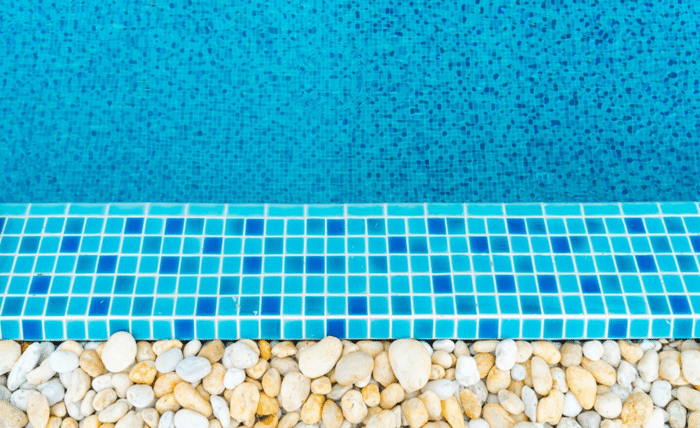
Swimming pool tiles do more than create an attractive underwater appearance. They influence maintenance requirements, long-term durability, installation costs, and the overall swimming experience. While homeowners often focus on colors and patterns, selecting the right tile material requires understanding how different surfaces perform under constant water exposure, chemicals, and changing temperatures.
Glass and ceramic tiles remain two popular choices for residential and commercial swimming pools. Both offer distinctive advantages, but their suitability depends on the pool’s design, location, budget, and maintenance expectations. Understanding these differences helps property owners make informed decisions before beginning a pool renovation or construction project.
The Characteristics of Glass Pool Tiles
Glass pool tiles are known for their reflective properties and ability to create visually striking underwater effects. Their surfaces interact with sunlight and artificial lighting, producing depth and brightness that can make swimming pools appear more luxurious.
One major advantage of glass tiles is their low water absorption. Pool-rated glass mosaics are generally resistant to moisture penetration, making them suitable for submerged applications when properly manufactured and installed.
Glass tiles also provide considerable design flexibility. Homeowners can choose transparent, translucent, or opaque finishes to achieve different visual effects. However, installation requires careful attention because some glass products are sensitive to thermal movement and incompatible setting materials.
Exploring the Practical Benefits of Ceramic Pool Tiles
Ceramic pool tiles have remained popular because of their versatility, affordability, and wide availability. They are manufactured from clay-based materials and finished with protective glazes that provide color and surface resistance.
When comparing Glass vs Ceramic Pool Tile, ceramic options often appeal to homeowners seeking traditional designs without significantly increasing renovation expenses. Pool-rated glazed ceramic tiles are available in numerous colors, patterns, and textures, allowing them to complement different outdoor environments.
However, not every ceramic tile is suitable for continuous underwater exposure. Products intended for swimming pools must meet appropriate water absorption, durability, and environmental requirements. This becomes particularly important in regions experiencing freezing temperatures.
Comparing Durability Under Pool Conditions
Swimming pools expose tiles to chlorine, cleaning chemicals, sunlight, and frequent temperature changes. These conditions make material quality and installation techniques essential considerations.
Glass tiles generally offer excellent resistance to water absorption and staining. Their smooth surfaces can also simplify routine cleaning, although mineral deposits may remain visible on reflective finishes.
Ceramic tiles can perform reliably for many years when specifically designed for swimming pool applications. High-quality glazed surfaces resist common pool chemicals and help preserve their original appearance.
For both materials, proper waterproofing, compatible adhesives, suitable grout, and correct installation are critical. Even premium tiles may experience cracking or detachment when underlying installation problems remain unresolved.
Installation Costs and Long-Term Maintenance
Budget considerations frequently influence swimming pool tile selection. Ceramic tiles are generally more affordable than decorative glass mosaics, making them attractive for larger swimming pools.
Glass tiles often involve higher material expenses and more specialized installation requirements. Their appearance can justify the additional investment for homeowners prioritizing distinctive visual design.
Maintenance costs depend on water chemistry, cleaning practices, and tile quality. Both materials benefit from balanced pool water, regular brushing, and prompt removal of mineral buildup.
Homeowners should consider total ownership costs rather than comparing purchase prices alone.
Matching Tile Materials With Pool Design
Tile selection should complement the swimming pool’s architecture and surrounding landscape. Glass mosaics work particularly well in contemporary pools featuring decorative waterlines, infinity edges, and illuminated water features.
Ceramic tiles offer flexibility for traditional swimming pools, family recreation areas, and designs emphasizing subtle patterns.
Safety also matters when selecting tiles for steps, shallow ledges, and surrounding surfaces. Appropriate slip-resistant finishes should be prioritized wherever swimmers walk or stand.
Conclusion
Choosing between glass and ceramic swimming pool tiles involves balancing appearance, durability, installation requirements, and overall expenses. Glass tiles provide reflective beauty and sophisticated decorative possibilities, while ceramic tiles offer affordability and versatile design options.
Neither material is universally superior. The best choice depends on the intended application, environmental conditions, and individual preferences. Selecting pool-rated products and investing in professional installation can help ensure an attractive, durable swimming pool that remains enjoyable for years.